
Not the Same Starting Line
How Susi Collins is Designing Systems Where Everyone Belongs

This is my conversation with Susi Collins, a social impact strategist, Workplace Inclusion Officer, and nonprofit board of director, whose work is rooted in a fundamental belief: not everyone starts at the same starting line.
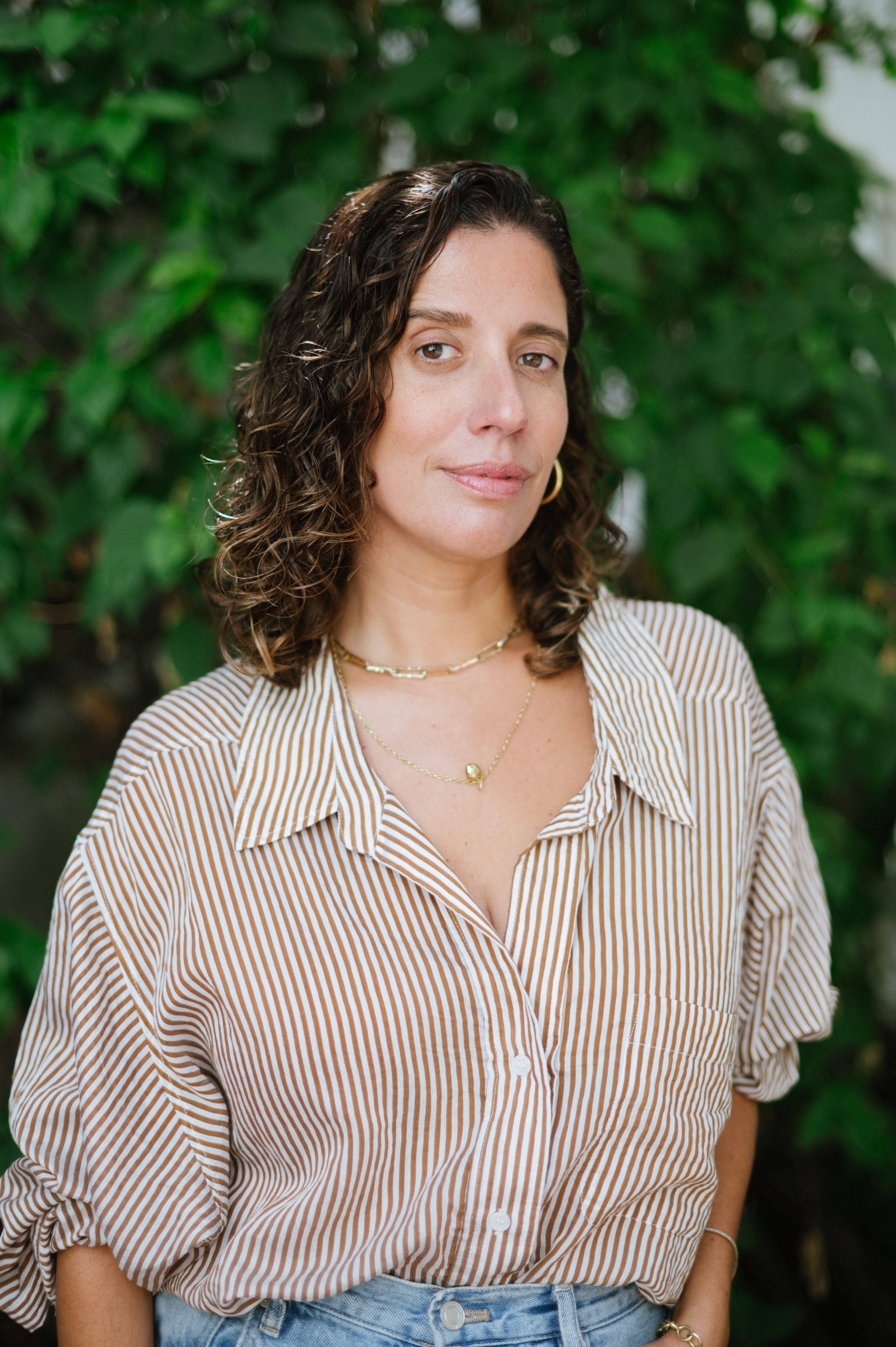
The first time Susi Collins truly understood what equity meant, she was already years into her career in social impact. But the lesson didn’t come from a workshop or a course—it came from the people around her, the communities she served, and the progressive realization that her own journey had been shaped by starting lines she hadn’t even recognized.
Today, as the founder of Tide & Thrive Co., a Latina-owned social impact consultancy, Susi partners with nonprofits, foundations, and value-aligned companies to build strategies that create real access and opportunity.
The Foundation: Lima, Peru
Susi was born and raised in Lima, Peru, in a middle-class household shaped by working parents who were, in her words, “a little bit bohemian”—progressive, loving, questioning the norms of a society steeped in Catholicism and rigid expectations. She is the eldest of three siblings.
What truly set her apart, though, was her school: Los Reyes Rojos, named after a poem by Peruvian poet José María Eguren. It was a school focused on empathy, social justice, and the arts with just one class per grade from kindergarten through high school. Susi spent kindergarten through high school with the same cohort of 25 students, learning not just academics but compassion, nature, and the art of giving back.
“The founder of the school believed that kids needed to learn social skills and empathy to become great humans. Every year, the whole school went on a three- or four-night camping trip to learn about local cultures, nature, and giving back across Peru. Looking back, it makes total sense why I do what I do now.”
But when Susi immigrated to the United States at age 20, she confronted a reality that shattered many of the assumptions she’d held about the country. Growing up middle class in Lima, she’d absorbed media portrayals of the U.S. as a land of abundance and boundless opportunity. What she found instead was a country where not everyone had the same access and opportunity, and where discrimination and racism where common based on the color of your skin, national origin, language, class, and religion.
“I had to unlearn a lot of classism. I had to unlearn my own perceptions of the United States. And slowly but surely, I gained a new identity—from Peruvian to Latina—and an appreciation for the vastness and diversity of the Latino community.”
The Move: Betting on Love and Learning
That journey of identity and self-discovery was about to accelerate in ways Susi couldn’t have imagined. Twenty-three years ago during her summer break in Miami, she met Shane. They were young, ambitious, and in love. Shane flew to Peru to meet her family, and then, as Susi puts it, “scooped me away.” They bet on themselves without knowing much about what lay ahead.
Susi moved from Lima to Shane’s hometown in Glens Falls, NY which brought culture shock, but also warmth. Susi became close with Shane’s grandmother, Grandma Kay. The family embraced her culture, her limited English, and her ambition to continue her studies at the local Adirondack Community College. There was societal discrimination, systemic inequity, and microaggressions—she could feel it, even if she didn’t yet have the language to name it.
When they moved to San Francisco so both could attend San Francisco State University, Susi found her first role in hospitality. She worked as an event planner for Starwood Hotels, but it was her volunteer work—at the San Francisco AIDS Walk, Room to Read, Thousand Currents, the IRC, and other organizations—that opened her eyes to a new world.
Shane’s work in HIV prevention and research and his proximity to the LGBTQ+ community introduced Susi to social issues she’d never encountered in Peru.
Living in San Francisco, I started having a lot more proximity to the LGBTQI community in my personal life and at work. I started removing my own biases and understanding what each of the letters mean, with a lot of curiosity and interest to be their ally.”
Susi’s volunteer work and self-discovery led to a pivotal opportunity: a headhunter connected her with the family office of George Gund III and Iara Lee, a philanthropic couple committed to support a variety of social causes. For about four years, Susi worked in the Presidio in San Francisco, learning about social issues that were not in mainstream media—deforestation in the Amazon, women and girls’ rights in Haiti, water access in Palestine.
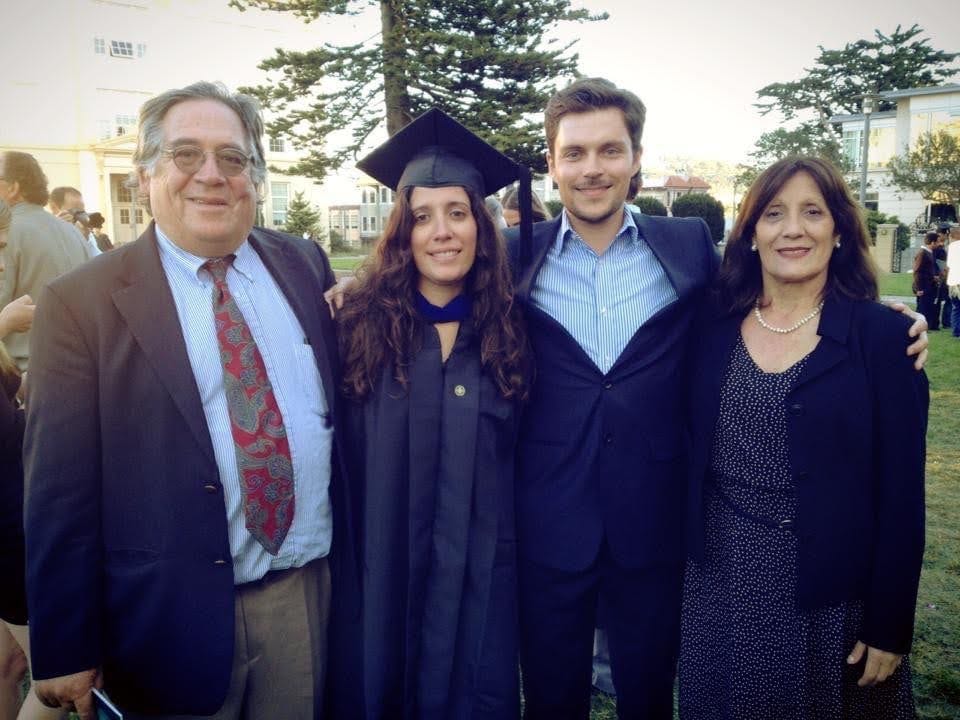
During this time, Susi also went back to school. Her mother, who never graduated from college, had always encouraged her to be the first in the family to pursue a master’s degree. So, Susi pursued a Master’s in Nonprofit Administration at the University of San Francisco, navigating the challenges of writing long papers in English (pre-AI), and proving to herself that she could succeed in this space.
“English continued to be a barrier for me, and I will say it still is. It’s hard to speak in a second language. But I challenged myself to think, speak and write in two languages, and it positioned me for better opportunities."
The Turning Point: Seattle and the Gates Foundation
When Shane decided to pursue a second career as an addiction psychiatrist, the couple moved to Seattle. Susi knew exactly where she wanted to work: the Gates Foundation. It was ambitious, even audacious. She didn’t know anyone there, so she LinkedIn-messaged about 20 people with something in common. Only one responded—a recruiter who referred her to a staffing company who suggested she apply for a Program Assistant role.
It was a six-month contract, and she didn’t even know which team she’d be on until her first day. She was placed with the Africa team—and also happened to be pregnant with her first child. As she became a first-time mother working in a temporary role with limited benefits, she felt vulnerable, but also welcomed.
After her unpaid parental leave—the reality of being a contractor—she was asked to come back full-time. Over the next five years, Susi held three different jobs at Gates, working on different projects with the Global Policy & Advocacy team across agriculture and nutrition to economic development and finance, from polio eradication to maternal health.
“Gates felt like an extension of grad school. There was so much to learn. Every week, I would read something new and do a deep dive on an issue the foundation was advocating for. I learned how to use policy and advocacy to influence systemic change, how to partner across sectors, how to influence governments and multilateral organizations.”
Susi noticed that she was one of the few Latinas at the foundation. She took this as an opportunity and started asking questions, voicing concerns, and eventually became part of the Latinos in Philanthropy Employee Resource Group (ERG).
Her time at Gates also exposed her to thought leaders who shaped her worldview—authors, activists, and scholars like Ijeoma Oluo, Robin DiAngelo, Julissa Arce, Kimberlé Crenshaw, Harry Belafonte, and Isabel Allende. And crucially, she found mentors and champions among Black women professionals—a grace she acknowledges with deep gratitude.
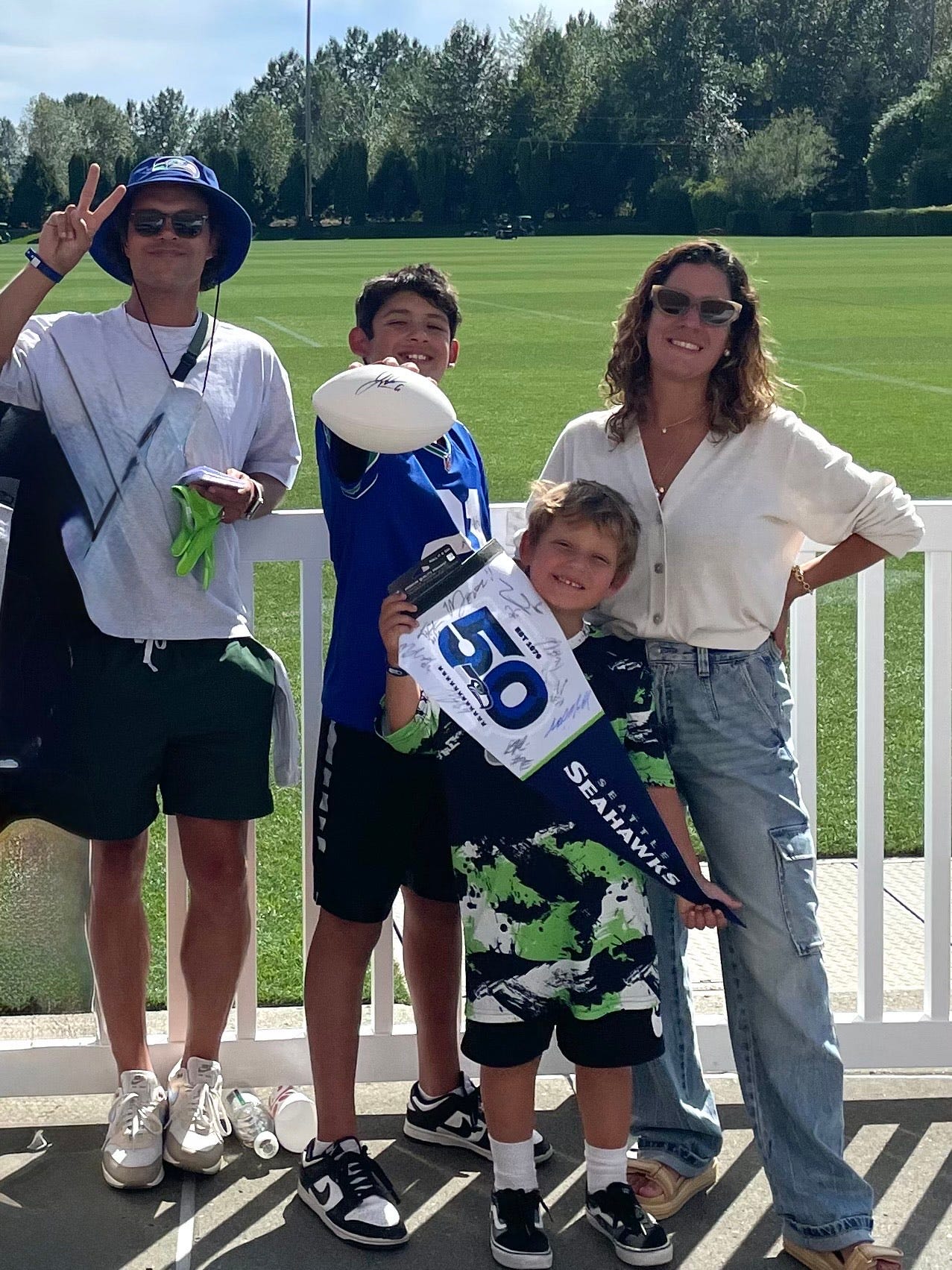
“I could never discount the impact that Black women have had and currently have in my career. The generosity of that community and the grace they’ve had to help me be where I am—I can never discount that. I’m especially grateful for the mentorship and sponsorship of Karen Wilkins-Mickey, the VP of DEI for the Seattle Seahawks.”
Eventually, Susi landed on the Gates’ inaugural DEI team, a role that felt like the culmination of everything she’d been learning. It was during this time that Susi crystallized her life’s purpose: “Find ways through my work to create access and opportunity for everyone.”
The Pivot: Corporate DEI and Building Systems
Susi doubled down on her commitment to advancing equity.
“Equity, to me, means creating the conditions for anyone to have what they need to thrive. It’s not giving everyone the same thing. It’s understanding what does this community need? Because not everyone starts at the same starting line.”
After five years at Gates, Susi moved into corporate DEI, first at Nordstrom, then Amazon, and finally Salesforce. Each role offered a different lens on equity work.
At Nordstrom, a 100-year-old retail company, she traveled to stores and distribution centers, learning how to support employees in that sector while building a strategy for a legacy organization.
At Amazon, she worked in tech for the first time, seeing firsthand how quickly technology can change and how important it is to build inclusive systems at scale.
At Salesforce, she led programs including ERGs, sponsorship, and mentorship, working to establish a 2.0 version of the company’s Office of Equality.
“One thing I want to make sure people know is that when you work in DEI, you’re not excluded from being a target to some of the situations that we’re trying to solve.”
The work was deeply personal—supporting others while navigating her own experiences of exclusion.
But one project at Salesforce stands out: the Latinx Leadership People Strategy, which led to greater employee engagement, satisfaction, and retention across a group that was not well represented in comparison to their white counterparts in the tech sector. She created a lookbook—an opt-in directory of Latino employee leaders—and shared it with the marketing team, the customer engagement team, and the Salesforce Foundation. Suddenly, these employees were being asked to participate in Dreamforce panels, connect with customers from similar backgrounds, and advocate for nonprofits within their communities.
‘ Creating the conditions for employees to thrive through their cultural norms, talents, and lens—that really matters to me.”
The Reckoning: Layoff and Sabbatical
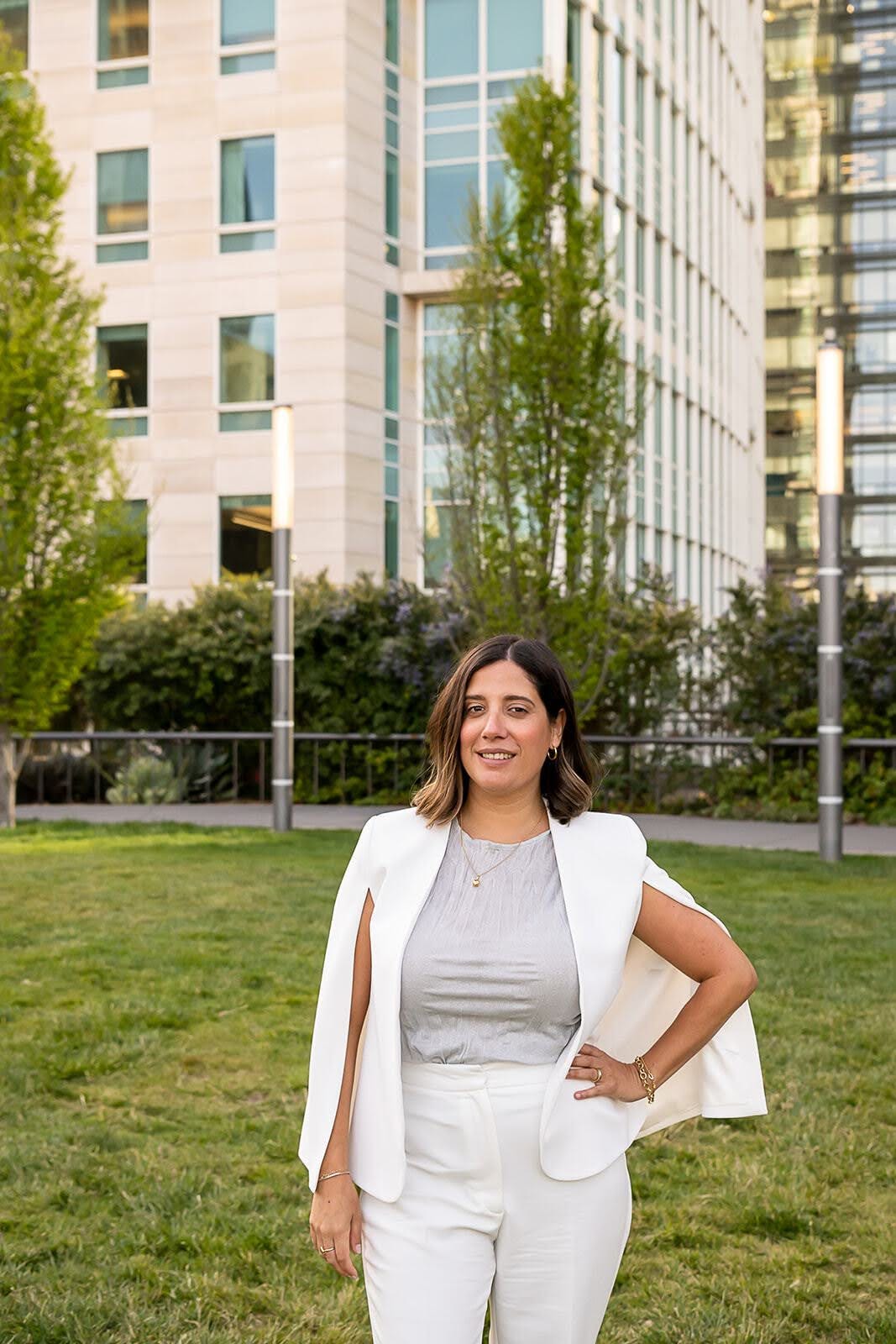
In the summer of 2024, Susi’s work at Salesforce was impacted by a workforce reduction. She’d built relationships rooted in trust, dedicated herself to supporting individuals in the workplace, and poured her heart into the work, so she wanted to be very intentional with her next move.
So, instead of rushing to find another job, Susi decided to take a year-long sabbatical. She wanted to reconnect with her purpose, her spirituality, and her vision for the future.
“This sabbatical year has really served me well to do the healing work and the wellness work around who I am and who I want to be.”
She and her family had recently moved to Redondo Beach, just seven minutes from the ocean. During her sabbatical, Susi leveraged her proximity to the ocean to help her navigate her next steps. She took a course at The Ocean Healing Institute, spent a lot of time swimming and traveling to places like the San Juan Islands in Washington State, Kona, Hawaii, and Antigua, Guatemala, and used water as a vessel for meditation and reflection.
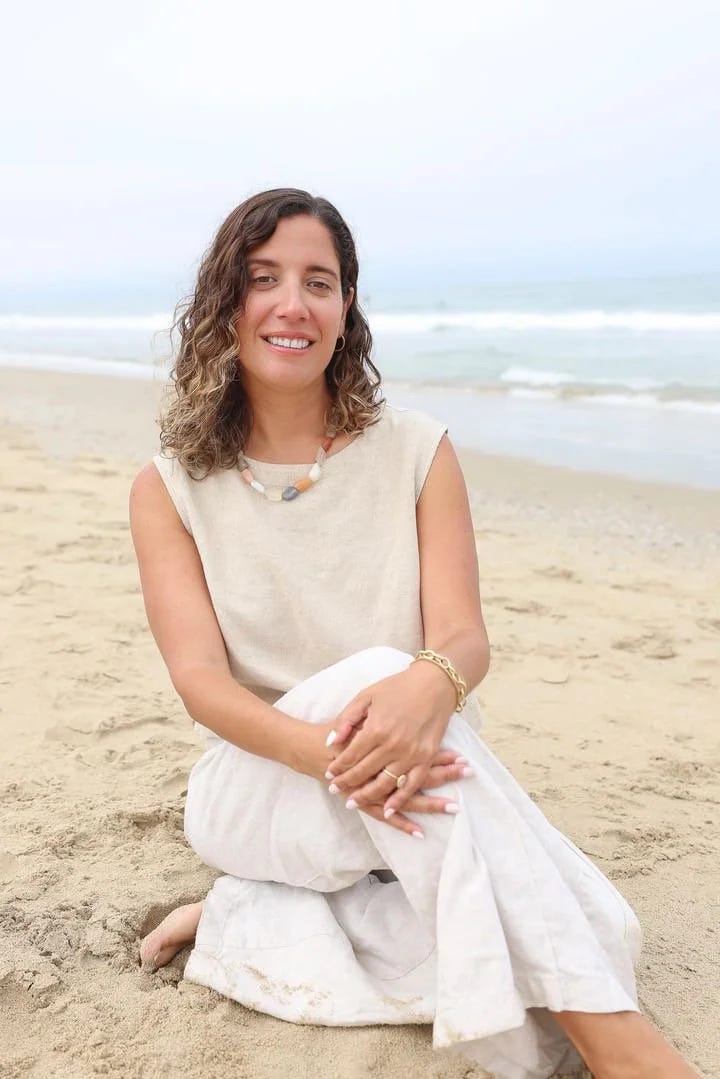
“Growing up by the Pacific Ocean in Peru, spending summers at the beach—I knew I wanted closer proximity to the ocean here. Our bodies are on average 80% water. We were born in water, inside the uterus. The world is over 70% water. And without water we wouldn’t be here. So I’ve done a lot of thinking around water.”
The sabbatical also gave Susi time to give back in ways that mattered. She became the volunteer art teacher for her sons Oliver and Joaquin’s classes. She volunteered with the Colibri Collective after the LA fires in January, helping assemble packages for fire victims and reaching out to Spanish-speaking families. She traveled to Tijuana multiple times with This Is About Humanity to support unaccompanied minors and families stranded at the border.
“I faced the reality that I hold a lot of power and influence. And the question is: How do you choose to spend your access and privilege? To me, it’s to give back.”
The Vision: Tide & Thrive Co.
Now, Susi is building Tide & Thrive Co., a consultancy firm dedicated to helping nonprofits, foundations, and value-aligned companies drive equity through a variety of causes—from financial literacy to access to coastal areas, reproductive rights to tech education, immigrant rights and justice and beyond.
Susi’s work is driven by passion, measured impact, and getting into the details. What matters is helping good humans do good work, and creating the conditions for everyone—employees, community members, clients—to thrive.
She pauses, reflecting on her journey from Lima to the Bay Area to Seattle to LA, from hospitality to philanthropy to DEI to social impact consulting.
“I feel like I’m halfway to where I will be. At 42, with the impact I can have in my personal and professional life, I’m just getting started.”
Susi’s three priorities remain clear: family, giving back, and holistic prosperity and wellness. Her legacy, she says, won’t be defined by titles or money. It will be defined by how she treats people when no one is watching, how she makes people feel, and whether she leaves the world better than she found it.
If you're an organization ready to move from intention to impact—or a leader seeking to bring your equity vision to life—Susi's door is open. Because the conditions for thriving aren't created alone. They're built together.

Connect with Susi on LinkedIn and learn more about Tide & Thrive Co.
What resonated most with you about Susi’s story?
Leave a comment below — Which quote hit home for you? What part of Susi’s journey inspired you most?
If this story moved you, please share it with someone who needs to hear it today.